
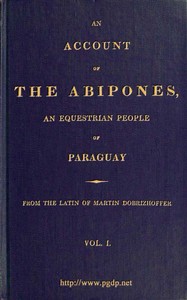
An Account of the Abipones, an Equestrian People of Paraguay, (1 of 3)
Let's set the scene: it's the mid-1700s, and the Jesuit missions in South America are in full swing. Into this world steps Martin Dobrizhoffer, an Austrian priest with a mission. His assignment? To live among the Abipones, a nomadic people of the Gran Chaco region, renowned as some of the most skilled cavalry fighters on the continent. The book is his firsthand report from nearly two decades spent in their midst.
The Story
This isn't a novel with a traditional plot, but the narrative tension is real. Dobrizhoffer arrives with a goal: to bring the Abipones into the Jesuit mission settlements (called "reductions") and convert them to Christianity. What unfolds is a detailed, often day-by-day account of that attempt. He describes their mobile camps, their mastery of horses for hunting and warfare, and their fierce resistance to colonial rule. He documents their victories and losses in battle, their negotiations and conflicts with Spanish authorities and other tribes. The core of the story is the slow, difficult, and incomplete process of cultural exchange and conflict. We see moments of genuine connection and understanding, alongside profound misunderstandings and setbacks.
Why You Should Read It
You read this for the voice. Dobrizhoffer is a fantastic narrator because he's so human. He's clearly impressed by Abipone horsemanship and bravery, and he describes their customs with genuine curiosity. But he's also a product of his time—he's baffled by their spiritual beliefs and often judges their lifestyle. That contradiction is what makes it compelling. You're not getting a sanitized, politically correct ethnography. You're getting the messy, biased, and incredibly vivid observations of a smart man trying to bridge two worlds. He tells wild stories about jaguar hunts, elaborate funeral rites, and medicinal practices that will make your jaw drop. It feels less like reading history and more like reading someone's fascinating, complicated travel blog from another dimension.
Final Verdict
This is a perfect pick for readers who love immersive primary sources. If you enjoyed the adventure of Lost City of Z or the cultural detail of 1491, you'll find a lot to love here. It's also great for anyone interested in colonial history, indigenous cultures, or just remarkable true-life tales. A word of caution: the language is of its era, so some descriptions and attitudes are dated. Read it not as a perfect truth, but as one man's incredible, flawed, and unforgettable window into a way of life that has largely disappeared. Keep volume two handy—you'll want to know what happens next.
This digital edition is based on a public domain text. It is now common property for all to enjoy.



Joseph White
1 year agoBased on the summary, I decided to read it and the clarity of the writing makes this accessible. I will read more from this author.